

 See My Latest Article on HelloNation
What Actually Happens When You Browse the Web?
When someone in Midland, TX opens a website or sends an email, the process seems instant and almost invisible. In reality, every online action depends on a complex system working in the background, connecting local homes and businesses to the entire world.
Every time an Internet request is made—such as clicking a link or streaming a video—that information travels through several steps:
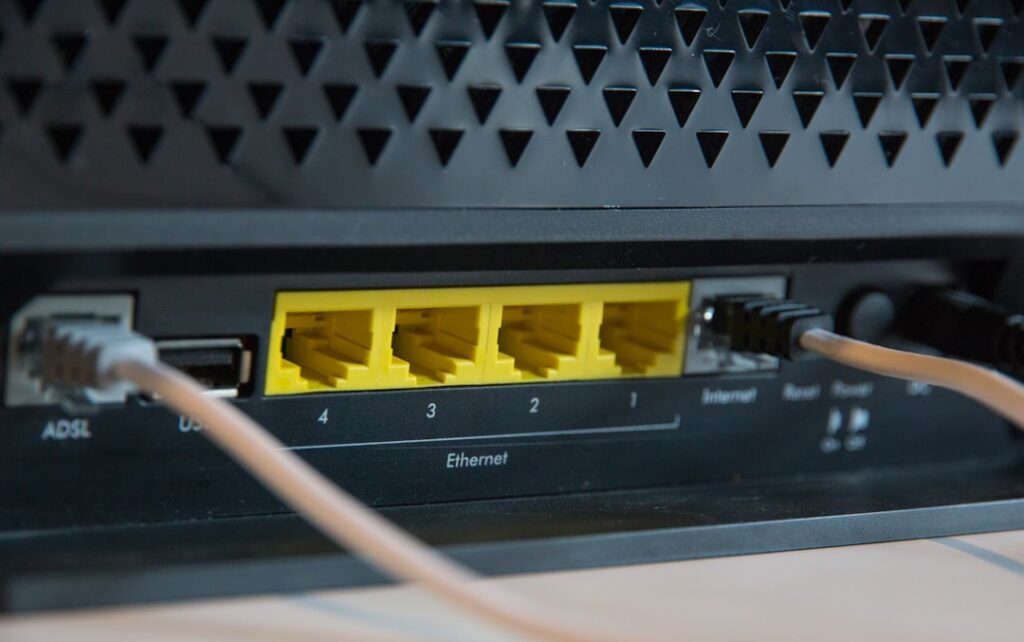
- Devices connect to the Internet via modems and routers, usually through local cable, fiber, DSL, or fixed wireless connections.
- Requests leave the home or business network and travel through regional infrastructure (cables, towers, etc.).
- Data is routed across a web of larger networks operating at state, national, and international levels before reaching the destination.
- The process reverses when information comes back to the device.
How Do Homes and Businesses in Midland Get Online?
In much of the city, Internet access starts with physical lines—often coaxial cable, fiber optic, or sometimes DSL—delivered to each property. These lines typically enter the building through utility infrastructure, connecting to a modem inside. In rural or less dense areas, fixed wireless or satellite options may come into play due to the distances involved.
Key local considerations include:
- Weather extremes, such as high summer heat or severe storms, can affect outdoor wiring or ground-based equipment.
- Outages or slow speeds are sometimes caused by accidental damage to underground lines, especially during construction or roadwork.
Inside local homes, a standard wireless router distributes the signal, enabling Wi-Fi connections for multiple devices like phones, computers, and smart TVs.
What Are IP Addresses and Why Do They Matter?
Every Internet-connected device uses an address called an IP (Internet Protocol) address, similar to a phone number or street address. When a resident types a website name, their device asks the network to look up its numerical address using something called DNS (Domain Name System).
Common questions about IP addresses:
- Are they unique?—Yes, every device on a network has a unique IP address at any given moment.
- Do they change?—For most households, yes. Home networks often get a different address each time they reconnect, though some businesses pay for a fixed, “static” address for reliability.
What Role Do Local and Regional Networks Play?
Once data leaves a home or business, it passes through local infrastructure—utility poles, underground fibers, or wireless towers—before joining the larger regional network. These “backbone” connections move massive amounts of data between neighborhoods, towns, and beyond.
Midland’s distance from major Internet exchange points can mean that some data takes longer routes, especially for content hosted far outside the area. Connections may also pass through multiple cities and even cross state lines before reaching a distant server.
Local government sometimes coordinates with Internet providers for major infrastructure or emergency management, especially during storms that threaten communication reliability.
What Happens on the World Stage? The Global Internet
After leaving local and regional networks, information can travel across vast distances in seconds, often via undersea cables or cross-country fiber lines. Powerful data centers and “cloud” servers in distant cities host much of the world’s websites, videos, and software.
Every step involves routers and switching equipment, which examine data packets and quickly decide which direction each should travel to reach its destination efficiently.
Why Does Internet Speed Fluctuate?
Many Midland residents notice that Internet speeds aren’t always consistent. Several factors can cause slowdowns or interruptions:
- High usage during evening hours when many households in an area are online at once.
- Network congestion on busy routes between cities or at data centers.
- Weather-related damage—dust storms, lightning, or heat waves can harm physical lines and outdoor equipment.
- Home network clutter—too many devices or an aging router can also cause local bottlenecks.

Not all Internet speed issues originate inside a residence; sometimes the problem is far down the line, even across state or national borders.
Do Weather and Geography Really Affect Connections?
The local environment plays a bigger role than many expect:
- Intense summer heat can stress overhead cables and electronics, shortening equipment life.
- Occasional ice or hail storms may damage surface infrastructure, causing temporary outages.
- Widespread rural properties outside the main city may rely on longer lines or wireless links, which are more exposed and sometimes slower than urban infrastructure.
Local authorities and utility crews often monitor forecasts to prepare for potential network disruptions.
Is the Internet Private and Secure?
Each Internet request passes through dozens of systems that move, process, and sometimes log data. Most modern websites use encryption (HTTPS), which scrambles information to protect privacy between your device and the website’s server.
However, privacy concerns can arise if:
- Unsecured Wi-Fi is used in public spaces or even at home.
- Weak passwords or outdated routers allow outsiders onto private networks.
- Software fails to update security protocols over time, leaving devices vulnerable.
Taking basic security steps—choosing strong passwords, using encrypted connections, and updating devices—can help protect personal information throughout the digital journey.
What Are Common Misunderstandings About How the Internet Works?
A few myths persist in the community:
- The Internet is not a single “thing”; it is a network of many separate, interconnected systems.
- Speed differences are not just about the plan purchased—physical distance, equipment age, and traffic all play a part.
- All online activity, regardless of where it starts, travels through shared infrastructure along with everyone else’s.
Area residents benefit from understanding that many slowdowns or outages are shared across neighborhoods and not always fixable from inside a single home.